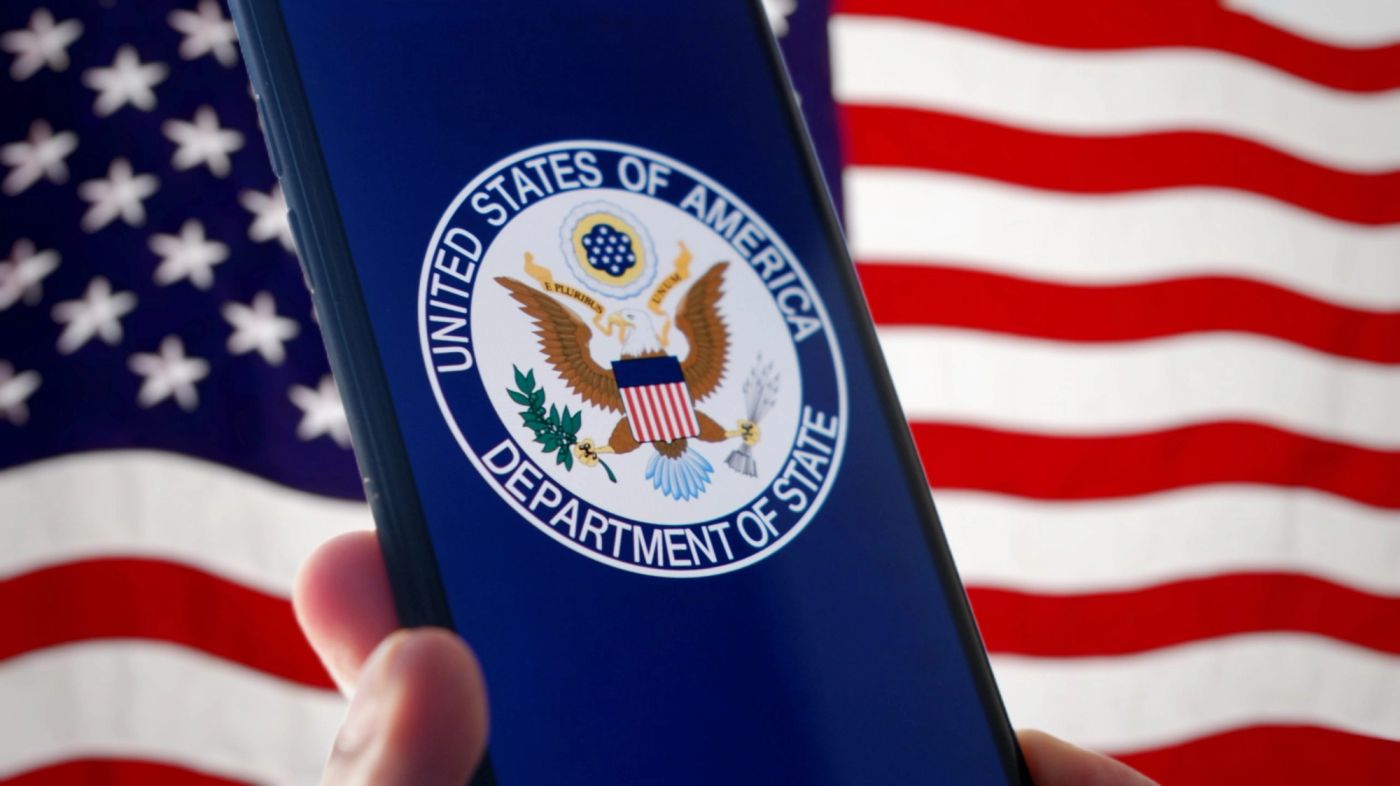
On December 3, the U.S. Department of State announced that it will begin conducting expanded reviews of applicants’ “online presence” when adjudicating nonimmigrant visa applications for H‑1B workers and their H‑4 dependents.
Starting December 15, H‑1B and H‑4 visa applicants going through consular processing abroad should expect consular officers to place greater scrutiny on their digital footprint, including their publicly viewable social media activity.
Henry Lindpere, Manifest Law Senior Counsel, elaborates: “Visa applicants are now expected to adjust the privacy settings on their social media accounts to ‘public’ so that consular officers can see what they have posted. This has already been a requirement for F, M, and J visa applicants. Failure to make the profiles public can lead to a denial.”
This change also aligns the State Department more closely with U.S. Citizenship and Immigration Services (USCIS), which earlier this year expanded social media and “online activity” vetting across all immigration benefit requests, including Green Card applications.
While the new State Department policy directly governs consular visa processing rather than USCIS petitions, together these developments signal a broader shift toward routine use of social media in immigration screening. Lindpere adds: “The executive branch is really increasing the use of their discretionary authority under national security considerations across agencies.”
About the Author
Staff Writer
Caryl Espinoza Jaen is a Nicaraguan-born staff writer for Manifest Law. As a writer, he strives to cover complex topics like immigration policy with clarity, accuracy, and precision.
Read bioReviewed By

Senior Immigration Attorney at Manifest Law
Henry is an Estonian American attorney licensed in Arizona with broad experience in employment-based immigration. He handles EB-1A, EB-2 NIW, O-1, and E-2 cases for founders, professionals, and creatives across industries worldwide, and has helped hundreds of clients achieve successful outcomes.
Read bioShare this article: